A guy I know bought a classic 1978 Ford F-150 last month off Facebook Marketplace. He drove out to a barn in Wautoma, handed over five grand in cash, and drove it home feeling like a genius. The next morning, he walked into his garage and found three quarts of transmission fluid bleeding across the concrete. He never crawled underneath to look at the pan. People are obsessed with surface aesthetics. They will spend hours inspecting a fresh coat of paint while completely ignoring the structural rot hiding three inches below the surface.
Which brings me directly to the sheer madness of buying commercial real estate without a legitimate Environmental Site Assessment.
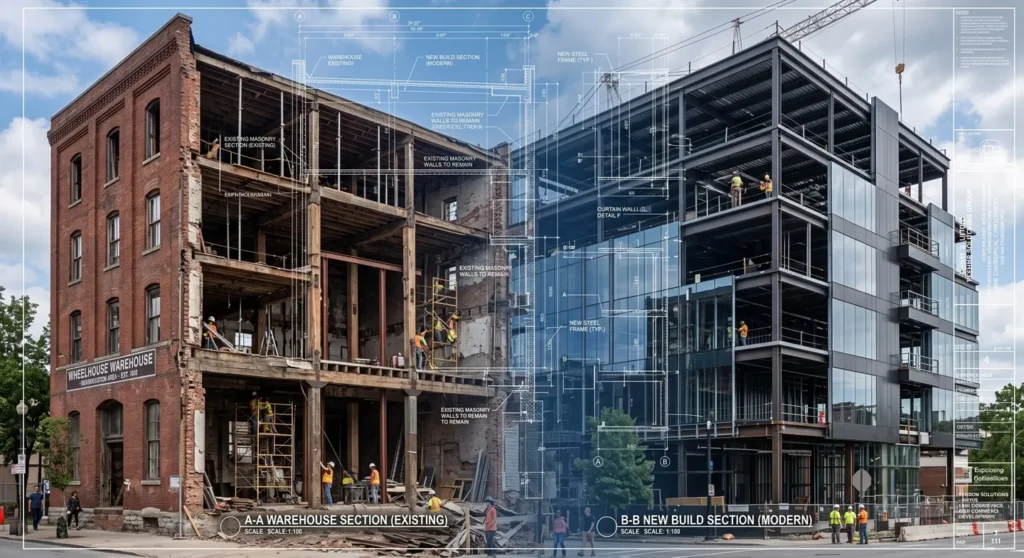
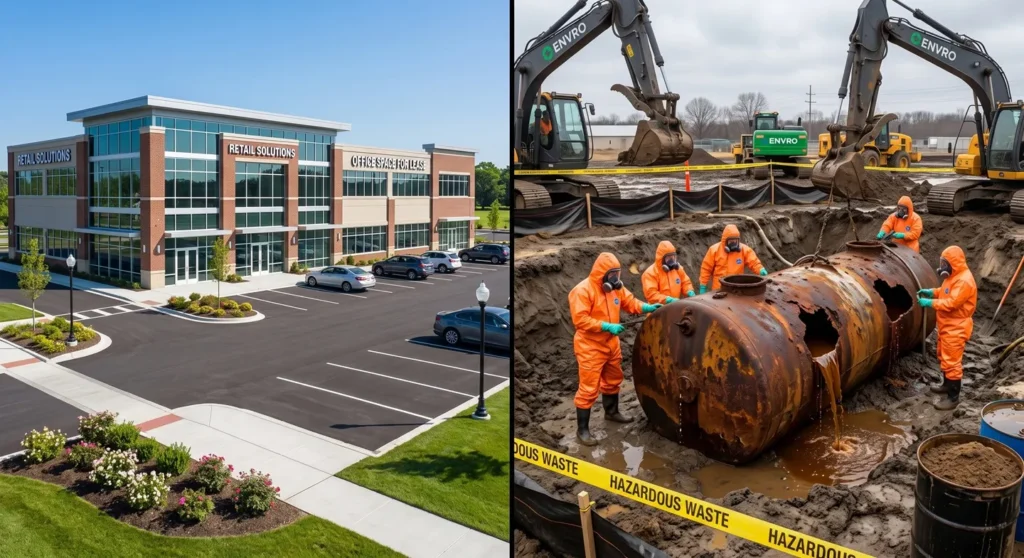
Investors keep snapping up old filling stations, former dry cleaners, and abandoned manufacturing warehouses in the Fox Valley because the price looks like a steal. They waive their due diligence periods to beat competing offers. They think they are outsmarting the market. Then the excavators show up to pour footings for a new retail strip, strike an undocumented underground storage tank, and instantly shut down the entire site.
You just bought yourself a million-dollar cleanup liability because you refused to spend three grand on an Environmental Site Assessment.
The Legal Reality of a Wisconsin Environmental Site Assessment
The Wisconsin DNR BRRTS database (Bureau for Remediation and Redevelopment Tracking System) tracks every reported spill, leaking underground storage tank, and contaminated parcel in the state. If you buy a property with a dirty history, the state does not care that you weren’t the guy who dumped trichloroethylene out the back door in 1985. Under state and federal law, if you hold the title, you hold the liability.
An Environmental Site Assessment is your only shield against inheriting someone else’s toxic garbage.
You cannot rely on the seller’s assurances. Sellers have sudden, convenient amnesia when it comes to buried diesel tanks or asbestos pipe wrap. A Phase I report forces a hard look at the historical reality of the dirt. We pull Sanborn fire insurance maps from 1920, review historical aerial photographs, and comb through city directories to see if your prime corner lot used to house an unpermitted chemical plating operation.
If developers think skipping this step speeds up their closing date, there making the biggest financial mistake of their careers.
Here is exactly what happens when you skip or cheap out on your environmental due diligence:
- Your commercial lender halts the financing halfway through the transaction because their underwriting department demands a Phase I report before releasing funds.
- You discover buried hazardous debris during site grading, triggering an emergency, state-mandated remediation project that destroys your construction schedule.
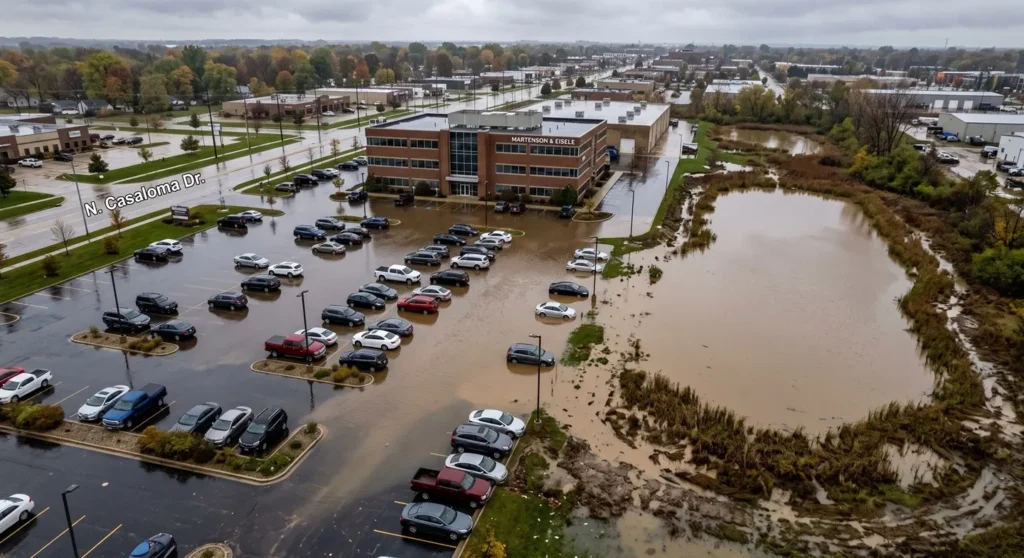
- Your shiny new retention pond fills with petroleum-contaminated groundwater, turning your civil engineering stormwater plan into a hazardous waste violation.
- You lose the “innocent landowner defense” under CERCLA, meaning you are now personally responsible for a massive groundwater cleanup.
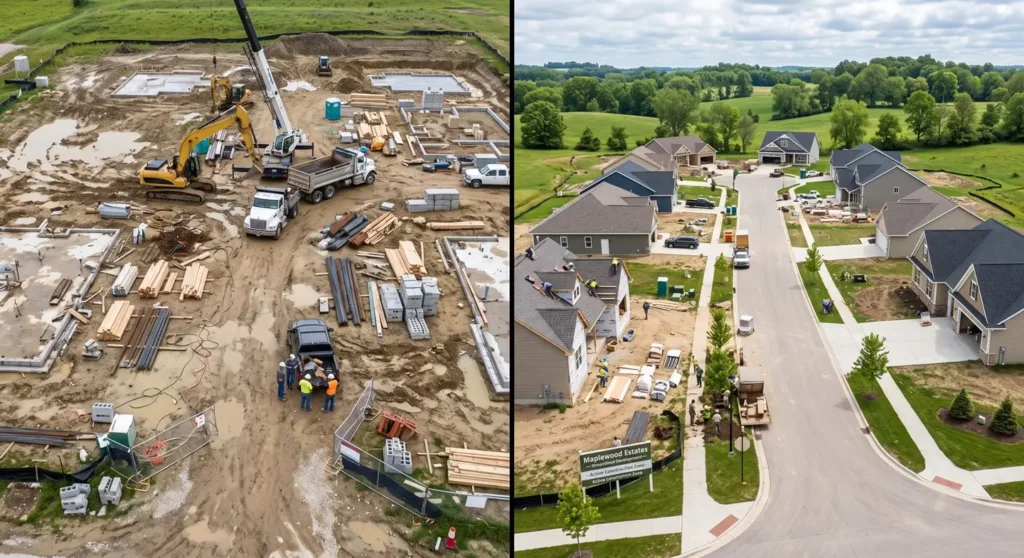
It is not just urban industrial sites that carry risk. We see investors buying old agricultural land outside Oshkosh to develop residential subdivisions. They assume an open cornfield is perfectly clean. They don’t realize that for fifty years, the previous farmer maintained a massive, undocumented diesel storage tank next to the machine shed. That tank rusted out in the 1990s, slowly leaching thousands of gallons of fuel into the water table. Now your new residential plat is sitting directly on top of a hazardous waste plume, and the DNR is demanding you install vapor mitigation systems in every single basement.
Why a Check-the-Box Environmental Site Assessment is Dangerous
Do not hire a discount firm out of Chicago to perform a desktop review of a Wisconsin property. You need environmental professionals who actually put boots on the ground. A guy staring at a Google Earth screen from three hundred miles away is not going to spot the subtle, unnatural depression in the asphalt that indicates a collapsed underground tank.
Our environmental assessment and compliance specialists walk the property. We look for the stained concrete, the suspicious vent pipes sticking out of the weeds, and the patched pavement sections that scream hidden liability. We know Fox Valley industrial history. We know where the old rail spurs ran, and we know exactly what the local DNR field office expects to see in a compliance report.
When a Phase I Environmental Site Assessment Requires Soil Testing
Sometimes the historical records look terrible. You find out the site operated as a dry cleaner for thirty years. At that point, the Phase I Environmental Site Assessment identifies a Recognized Environmental Condition (REC).
You do not just walk away automatically, but you definitely stop the bulldozer.
This triggers a Phase II investigation. We bring in the drill rigs. We punch soil borings down to the groundwater table and pull actual physical samples to send to the lab. We find out if the historical dry-cleaning solvents actually breached the concrete slab and entered the soil profile.
If the lab results come back clean, you close the deal with total confidence. If the lab results come back glowing with volatile organic compounds, you use that data to force the seller to drop the purchase price by half a million dollars to cover the cleanup. You dictate the terms, instead of being blindsided by them.
Buying raw land or commercial property in Wisconsin is a high-stakes game of geological roulette. You are dealing with glacial till, high groundwater tables, and a century of unregulated industrial dumping. The DNR is watching, and they have the legal authority to financially destroy your development company if you disturb a contaminated plume without an approved remediation plan.
Bring Martenson & Eisele in before your earnest money goes hard. We conduct the historical research, interview the local fire chief, and inspect the physical dirt. We hand you a legally defensible report that satisfies your bank, protects your corporate veil, and ensures you aren’t buying a Superfund site disguised as a cheap parking lot.
Frequently Asked Questions
What exactly is an Environmental Site Assessment?
A Phase I Environmental Site Assessment is a standardized investigation following ASTM E1527-21 guidelines into the historical and current uses of a property. It identifies potential or existing environmental contamination liabilities. It involves a physical site visit, historical record reviews, and interviews, but does not include actual physical soil or water testing.
Who requires a Phase I Environmental Site Assessment?
Commercial lenders almost universally require them before issuing a commercial mortgage to protect their collateral. Prudent buyers demand them to establish the “innocent landowner defense” under federal law, which protects them from financial liability if unknown contamination is discovered after the purchase.
What happens if the Phase I Environmental Site Assessment finds a problem?
If the Phase I report identifies a Recognized Environmental Condition (REC), the next step is typically a Phase II investigation. This involves physically drilling into the soil and testing the groundwater to confirm whether actual contamination is present on the site.
How long does an Environmental Site Assessment take to complete?
A standard Phase I report typically takes three to four weeks. The timeline depends entirely on how quickly local municipal fire departments and environmental agencies respond to our open records requests. Rushing the historical research is how you miss the unrecorded 1950s heating oil tank that wrecks your project budget.